October 19, 2026
Professional siding services play a critical role in residential construction and renovation, serving as protective exterior layers and primary drivers of overall aesthetic appeal. A well-executed installation dramatically elevates curb appeal, creating a positive, memorable impression on guests, neighbors, and prospective buyers alike. Siding also enhances residential energy efficiency by forming a resilient thermal barrier against outdoor weather extremes, helping to preserve comfortable interior temperatures while significantly reducing ongoing energy consumption. Balancing visual beauty with functional performance requires choosing appropriate materials and leveraging specialized siding services to maximize these valuable, long-term home improvement benefits. Investing in high-quality materials yields immediate visual rewards and lasting structural protection for decades.
Modern exterior options easily accommodate diverse performance goals, architectural styles, and specific budget constraints. Understanding material characteristics, current color trends, contractor selection criteria, and ongoing maintenance strategies empowers homeowners to make fully informed exterior renovation decisions. Enhancing a home exterior involves understanding how materials interact with natural lighting, severe climate conditions, and existing architectural features. Upgrading your exterior building envelope yields significant energy savings, lowers operational expenses, and boosts overall market value over time.
Whether your goal is refreshing an aging facade, reducing monthly heating and cooling expenses, or preparing a house for market listing, choosing expert siding services guarantees long-lasting durability. This comprehensive guide covers material performance, aesthetic selections, insulation advantages, and professional installation requirements to ensure your investment delivers maximum returns for years to come.
Understanding Siding Options
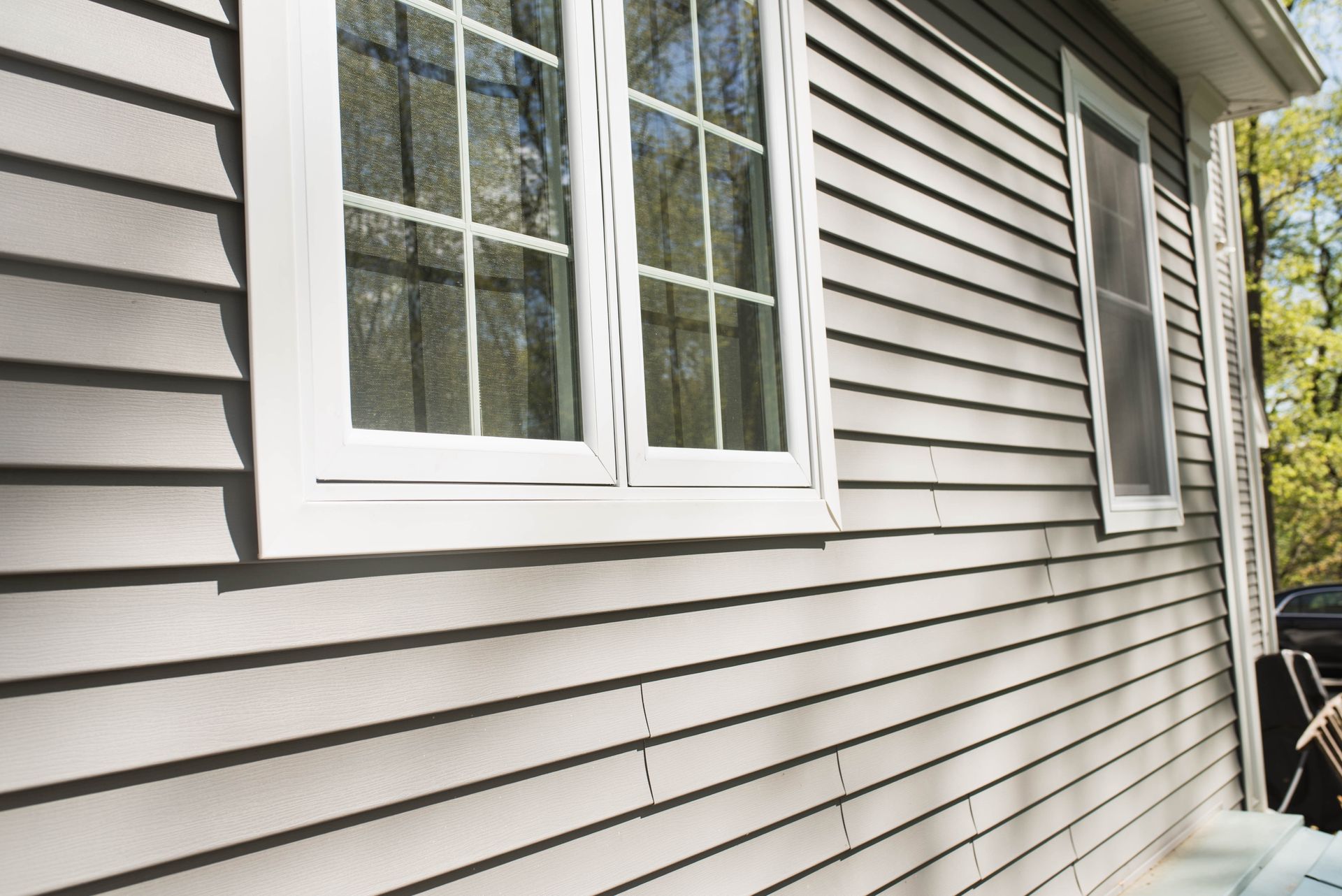
Siding options vary significantly in material composition, maintenance requirements, and overall structural longevity. Vinyl siding remains a popular choice for homeowners due to its affordability and minimal maintenance demands. Manufactured from durable PVC, it delivers superior weather resistance across diverse color choices without requiring regular repainting over its lifespan. Fiber cement siding stands out for exceptional durability, effectively resisting rot, destructive insects, and severe fire threats while realistically mimicking natural wood grain patterns. Composite materials blend wood fibers and recycled plastics, delivering exceptional durability with minimal environmental impact.
Wood siding provides timeless natural beauty and strong inherent insulation, though it demands routine sealing, staining, or painting to prevent deep moisture intrusion and structural rot. Metal options, such as aluminum and steel, offer sleek industrial aesthetics and high durability against harsh weather, pests, and fire. Proper material selection depends heavily on local climate challenges, architectural compatibility, personal maintenance willingness, and long-term financial expectations. According to Bob Vila, a popular online home improvement resource, the average home contains 10 windows, making the seamless integration between siding and window framing critical for preventing thermal bridging and moisture ingress.
Evaluating long-term material performance involves carefully weighing initial installation costs against future maintenance expenses. While traditional wood requires frequent painting and sealing, synthetic alternatives like fiber cement and high-grade vinyl require minimal attention over their functional lifespans. Partnering with professional siding services ensures precise material selection tailored to your specific regional weather conditions and aesthetic preferences.
Evaluating Exterior Aesthetics
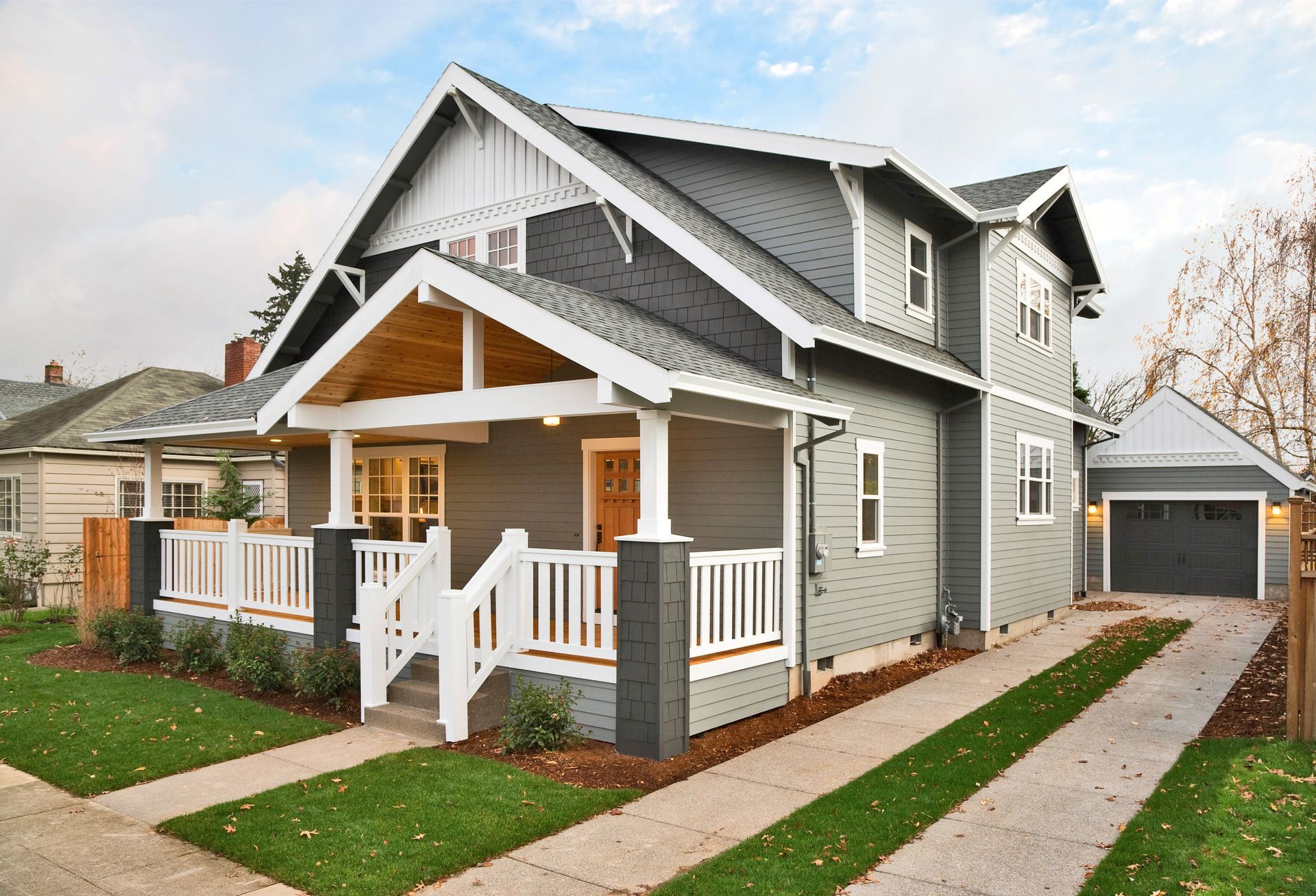
The visual impact of an exterior depends heavily on thoughtful color selection, rich surface textures, and architectural harmony. Modern exterior design trends strongly favor deep grays, rich blues, and grounding earth tones that accentuate unique structural features. Smooth finishes provide sleek, modern looks, while heavy textures replicate authentic wood grain or natural stone appearances. Aligning textures with historical architectural styles, such as applying intricate shingles on Victorian homes or clean vertical panels on modern builds, maintains structural integrity and visual balance.
Trim, soffits, and exterior accessories refine the final appearance by framing windows, doorways, and gables cleanly. High-contrast trim choices create bold architectural definitions, while matching shades deliver subtle, classic elegance throughout the facade. Functional accessories like shutters, fascia boards, and decorative corner posts complete the facade, bridging performance gaps while enhancing design unity across the entire exterior structure.
Investing in thoughtful aesthetic upgrades yields immediate curb appeal benefits, raising property valuation and market attractiveness significantly. A strategic combination of contrasting colors, layered textures, and tailored architectural accents converts ordinary house frames into standout residential properties. Engaging specialized siding services ensures every decorative element aligns with proper weatherproofing standards while maximizing overall visual appeal.
Improving Energy Efficiency
High-grade siding acts as a primary insulation layer, minimizing unwanted heat transfer between indoor living spaces and harsh exterior environments. Insulated vinyl and thick fiber cement panels eliminate thermal bridging, preventing heat loss during winter and blocking radiant solar heat during summer months. Reflective surface coatings further prevent heat absorption, lowering ambient interior temperatures and reducing air conditioning demands throughout warmer seasons.
In addition to regulating indoor temperatures, properly insulated exteriors reduce HVAC system strain, extending equipment lifespan and lowering seasonal utility bills. Reducing air leakage through precise envelope sealing creates stable indoor environments free from uncomfortable draughts or sudden temperature drops. Siding services incorporating advanced weather-resistant barriers and rigid foam backing provide comprehensive thermal protection for whole-house comfort.
Lowering residential energy consumption supports sustainable living goals while generating consistent monthly cost savings for homeowners. Combining efficient wall insulation with properly sealed window frames ensures a complete thermal envelope that shields homes from extreme seasonal weather swings. Over time, energy-efficient siding upgrades effectively pay for themselves through reduced utility expenses and enhanced structural preservation.
Selecting Qualified Contractors
Executing a successful exterior renovation requires selecting experienced, fully licensed, and insured exterior contractors. Qualified installers understand local building codes, proper flashing application, moisture barrier setup, and precise expansion gaps required for natural material movement. Obtaining detailed estimates, reviewing verified project portfolios, and checking trade credentials protects homeowners from substandard workmanship and costly future repairs.
Clear communication regarding project timelines, material warranties, labor guarantees, and site cleanup expectations ensures a smooth renovation experience. Working with established professionals guarantees direct access to high-grade materials and manufacturer-backed product warranties that protect your financial investment over the long term. Reliable contractors also manage necessary municipal permitting and local inspections efficiently.
Prioritizing quality workmanship over low bids prevents premature material failure, hidden water leaks, and compromised insulation coverage. Professional siding services ensure every panel, trim piece, and flashing component is installed according to exact manufacturer specifications, protecting structural integrity and maintaining long-term property values for many years.
Maintaining Exterior Surfaces
Preserving the beauty and structural integrity of exterior surfaces requires routine inspections and proactive maintenance routines. Washing surfaces annually with mild detergents removes accumulated dirt, mold, mildew, and airborne pollutants that cause surface degradation or unsightly staining. Routine seasonal inspections help identify cracked panels, missing caulking, or loose fasteners before minor issues develop into major structural water damage.
Wood surfaces require periodic resealing or repainting every few years to guard against rot and UV degradation, while fiber cement and vinyl need simple cleaning and occasional caulk touch-ups around trim joints. Promptly replacing damaged sections prevents moisture penetration into substrate framing and keeps your home fully weather-tight across all seasons. Keeping surrounding gutters clear further prevents water overflow from damaging upper panel courses and foundation areas.
Establishing a consistent maintenance schedule preserves initial visual appeal and extends total material service life significantly over time. Timely repairs safeguard internal wall assemblies against concealed decay, insect infestation, and costly structural restorations later on. For comprehensive maintenance assessments or complete exterior transformations, rely on trained professionals who deliver lasting quality and superior performance.
Investing in high-quality siding services safeguards your property, enhances curb appeal, and delivers superior thermal efficiency year-round. For more information about the services that we offer, reach out to our incredible team at EXTERIOR SOLUTIONS By Chaparral today!